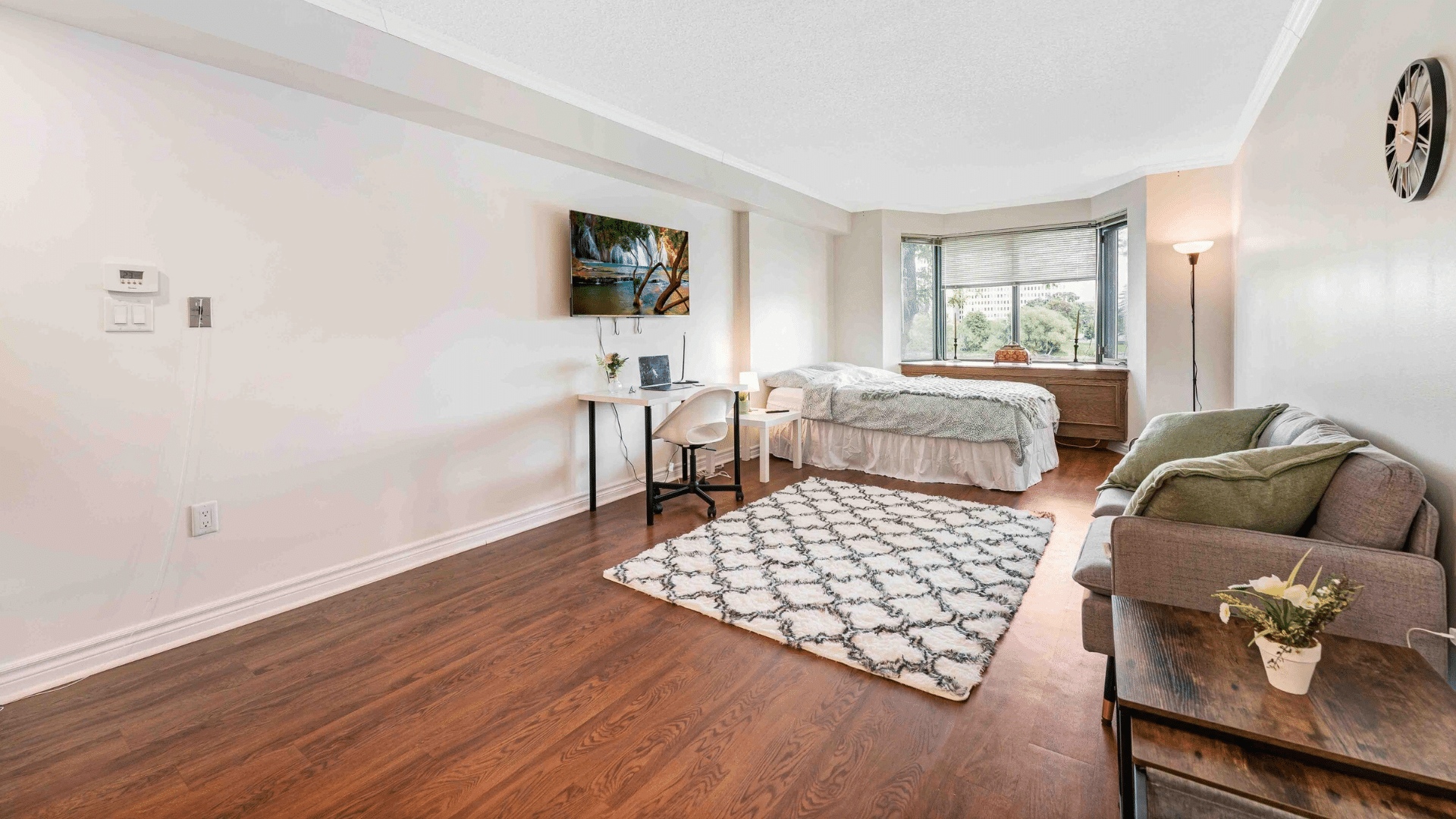
Short-Term Rental properties have been a significant topic for many Canadians. Properties used as an Airbnb or listed on VRBO have been a major discussion in various municipalities and have become an important consideration for tax purposes.
What is a Short-Term Rental Property?
- For Income Tax Purposes, a short-term rental property is defined as a residential property that is rented or offered for rent for a period of less than 90 consecutive days.
- For GST/HST purposes, a short-term rental property is defined as a residential complex or unit supplied by way of lease, license, or similar arrangement for occupancy by an individual as a place of residence or lodging, if the period of continuous occupancy is less than one month. Accommodation is not considered short-term if the daily charge is $20 or less.
GST/HST Registration Requirements
- General Rule:
Any person (individual, partnership, corporation, etc.) who makes taxable supplies in Canada in the course of a commercial activity must register for GST/HST, unless they are a small supplier (i.e., their worldwide taxable supplies do not exceed $30,000 in the last four consecutive calendar quarters or in any single quarter).
- Small Supplier Exception:
When gross revenues are $30,000 or less, registration is not required.
- Platform-Based Accommodation:
If you supply short-term accommodation through a digital platform (e.g., Airbnb, VRBO), and you are not registered for GST/HST, the platform operator may be required to register and collect GST/HST on your behalf if they exceed the $30,000 threshold.
Compliant vs. Non-compliant Short-Term Rentals
For Income Tax purposes, in order to deduct expenses from a short-term rental property, the property must be compliant. Non-compliant short-term rental properties may have deductions denied. Non-compliant short-term rental properties are:
- Properties located in a region or municipality that do not permit short-term rentals, or
- Properties that do not comply with all applicable provincial or municipal registration, licensing, and permit requirements
Requirements that municipalities may impose:
- Minimum amount of liability insurance
- Proper documentation for maintenance (i.e. septic tank servicing, water treatment, etc.)
- Special permits, licenses, and possible lodging taxes.
It is important to review the requirements based on the location of the short-term rental property.
Tax Compliance
When operating a short-term rental property, the owner will be required to report the income and expenses for income tax purposes. Eligible expenses may be reduced depending on the personal use of a vacation property. For example, if a cottage is rented for 50% of the year, only 50% of the expenses may be deducted against the income earned. Professional advice can assist you with determining what eligible expenses are and the allowable deductions that can be claimed.
For GST/HST the gross revenue, GST/HST collected and input tax credits (“ITC”) are reported. It is important to keep records current with supporting documents when making any tax filing. We recommend speaking to a qualified tax professional for filing any tax return.
Contact McCay Duff LLP in Ottawa to Help with Short-term Rental Properties
A team of professional accountants, tax consultants, and estate planners can help you chart out a succession plan and work alongside you at all stages, handling the organizational structure and tax planning. At McCay Duff LLP, our accountants and tax planners offer a range of services, including opening and managing trusts, planning share structures, and estate planning. To learn more about how McCay Duff LLP can provide you with the best taxation and succession planning expertise, contact us online or by telephone at 613-236-2367 or toll-free at 1-800-267-6551.